As efforts to expand digital health access continue across Hawaiʻi, the Pacific Basin Telehealth Resource Center (PBTRC) is turning insight into action by learning from national partners and bringing those lessons back to local communities. Through both national collaboration and on-the-ground engagement, a clear theme has emerged: sustainable transformation happens when technology is built with communities, not just delivered to them.
Learning from Community-Drive Innovation
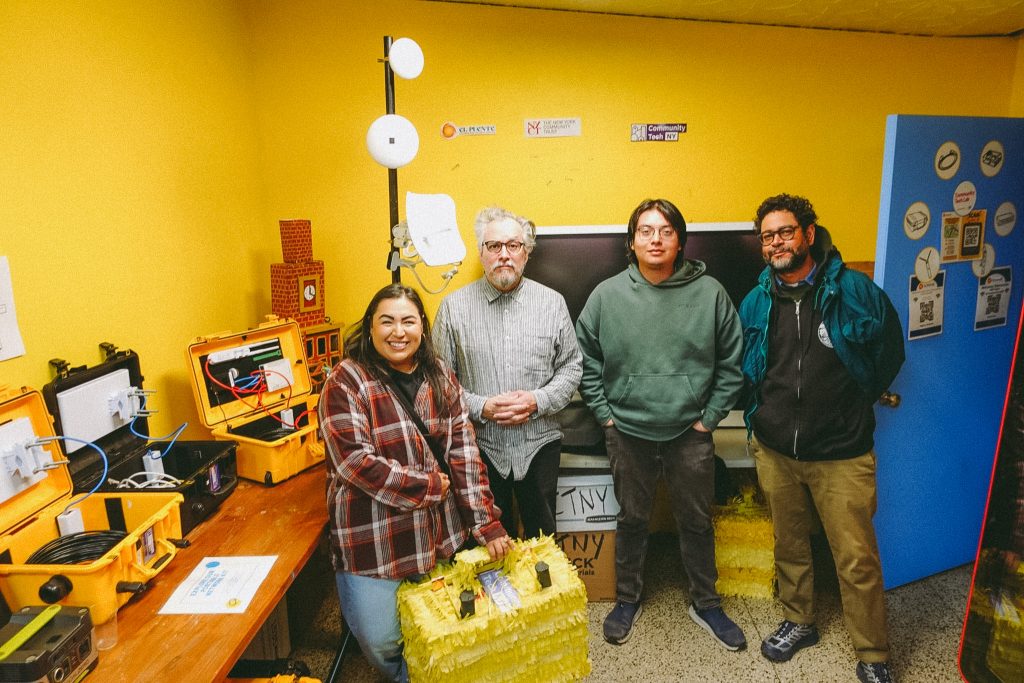
A recent connection with Community Tech New York offered a powerful example of what community-led connectivity can look like in practice. CTNY’s work is grounded in the belief that communities should have the knowledge, tools, and support to build and sustain their own digital infrastructure.
During the visit, PBTRC explored how CTNY partners with local organizations to co-design digital ecosystems that reflect each community’s unique needs and realities. From portable, community-built wireless network kits to radio-based communication systems that function during emergencies, these solutions are not theoretical—they are practical, adaptable, and rooted in resilience.
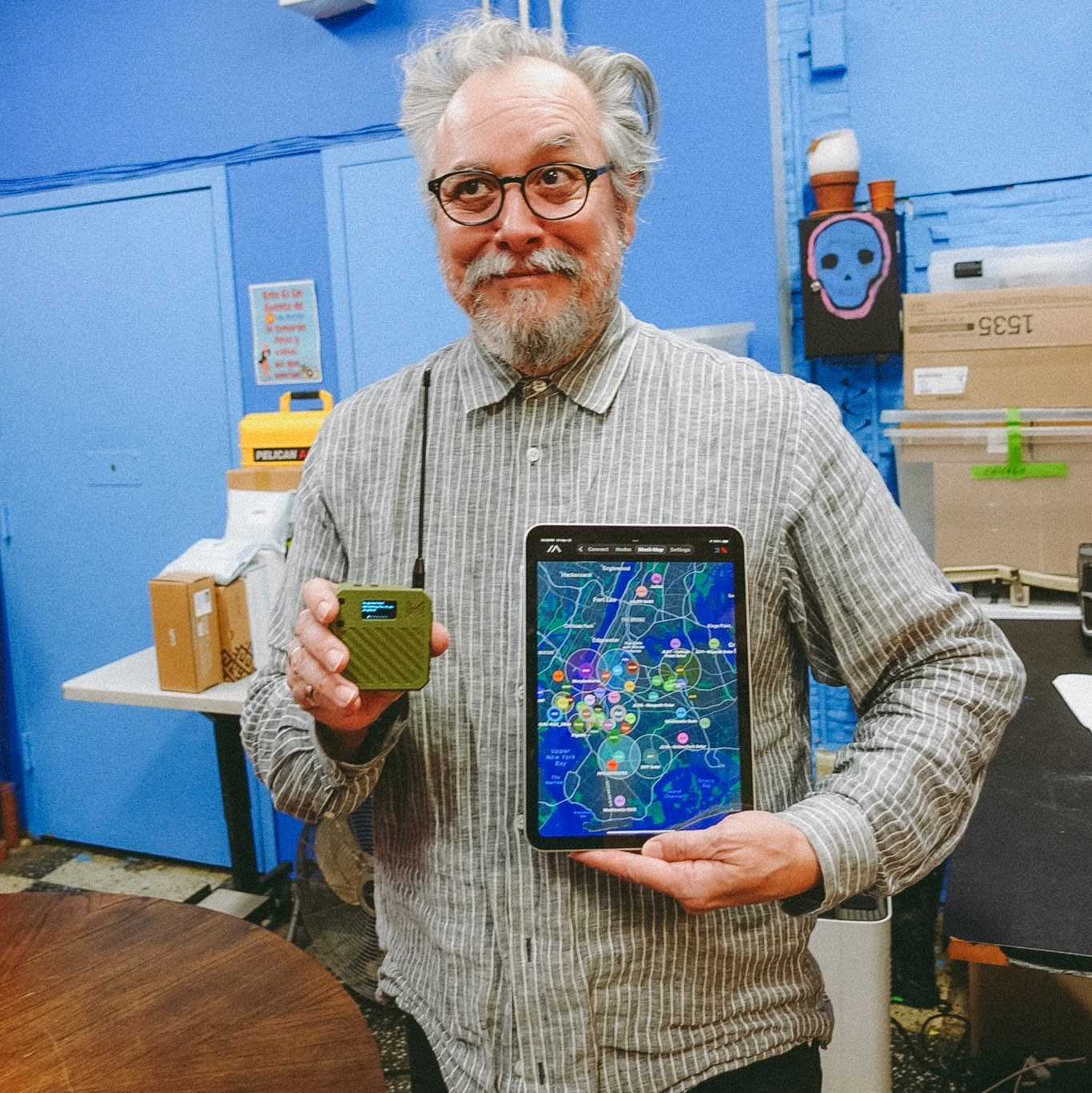
Equally impactful is CTNY’s train-the-trainer model, which equips local leaders with the skills to build, maintain, and expand their own systems. This approach strengthens local capacity, supports long-term sustainability, and reduces reliance on outside providers—an especially important strategy for rural and geographically isolated communities across Hawaiʻi.
A National Stage for Shared Progress
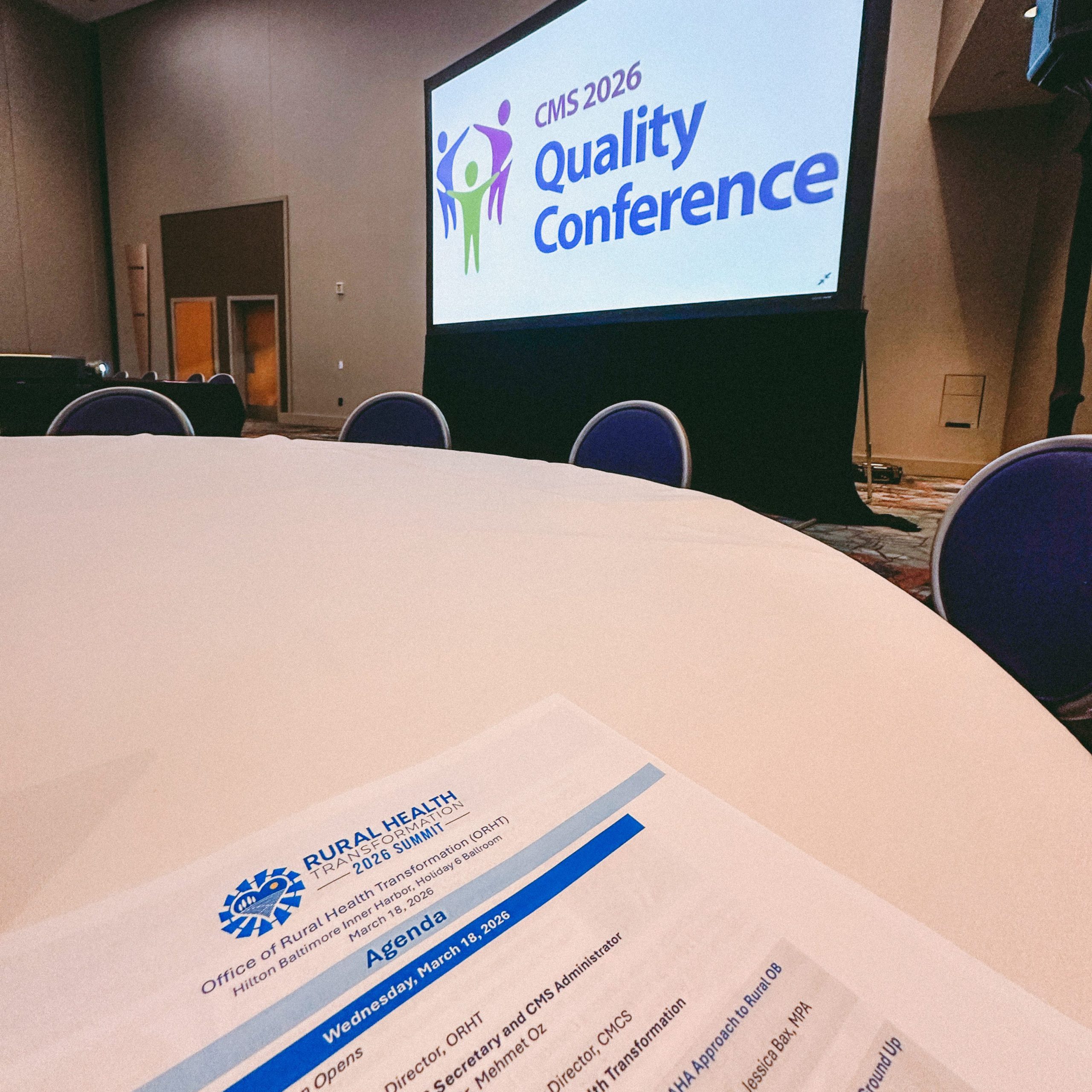
These lessons were reinforced at the Rural Health Transformation Summit, where leaders from all 50 states gathered to address a shared challenge: improving access to care in rural communities.
Representing Hawaiʻi, PBTRC contributed to a national panel on bridging care gaps through technology—highlighting the work already underway across the islands. The summit underscored a growing urgency across states to move beyond planning and into action, with a focus on measurable impact and real-world implementation.
Despite differences in geography, many challenges echoed across states: expanding access, strengthening workforce capacity, navigating infrastructure limitations, and ensuring solutions truly reach the communities they are intended to serve.
Hawaiʻi’s Community-Centered Approach
Throughout the summit, Hawaiʻi’s approach stood out. Efforts to build community-based access points, invest in digital navigators, and stay deeply engaged with communities were recognized as key strengths.
What resonated most was a shared understanding that meaningful transformation happens “in the weeds”—through day-to-day work, trusted relationships, and consistent presence in the community. Hawaiʻi’s emphasis on pairing technology with human connection reflects a model that many states are striving toward.
Turning Insight into Action
Together, these experiences highlight a clear path forward. Whether through CTNY’s community-owned infrastructure model or the national momentum seen at the summit, one message remains consistent: technology alone does not create access.
Real progress is built on:
- Trust
- Relationships
- Community leadership
For Hawaiʻi, this means continuing to invest in locally driven solutions that can adapt, grow, and endure. Community-owned networks, workforce development, and place-based strategies offer promising pathways to expand connectivity—especially in rural and underserved areas, including Hawaiian Homelands.
Looking Ahead
PBTRC is actively exploring opportunities to build on these insights through future partnerships, training initiatives, and stakeholder engagement across the state. By learning from innovative models like CTNY and contributing to national conversations, Hawaiʻi is not only keeping pace—it is helping shape what equitable, community-centered access can look like.
When solutions are grounded in relationships and built with community at the center, transformation becomes more than a goal. It becomes sustainable, scalable, and truly impactful.